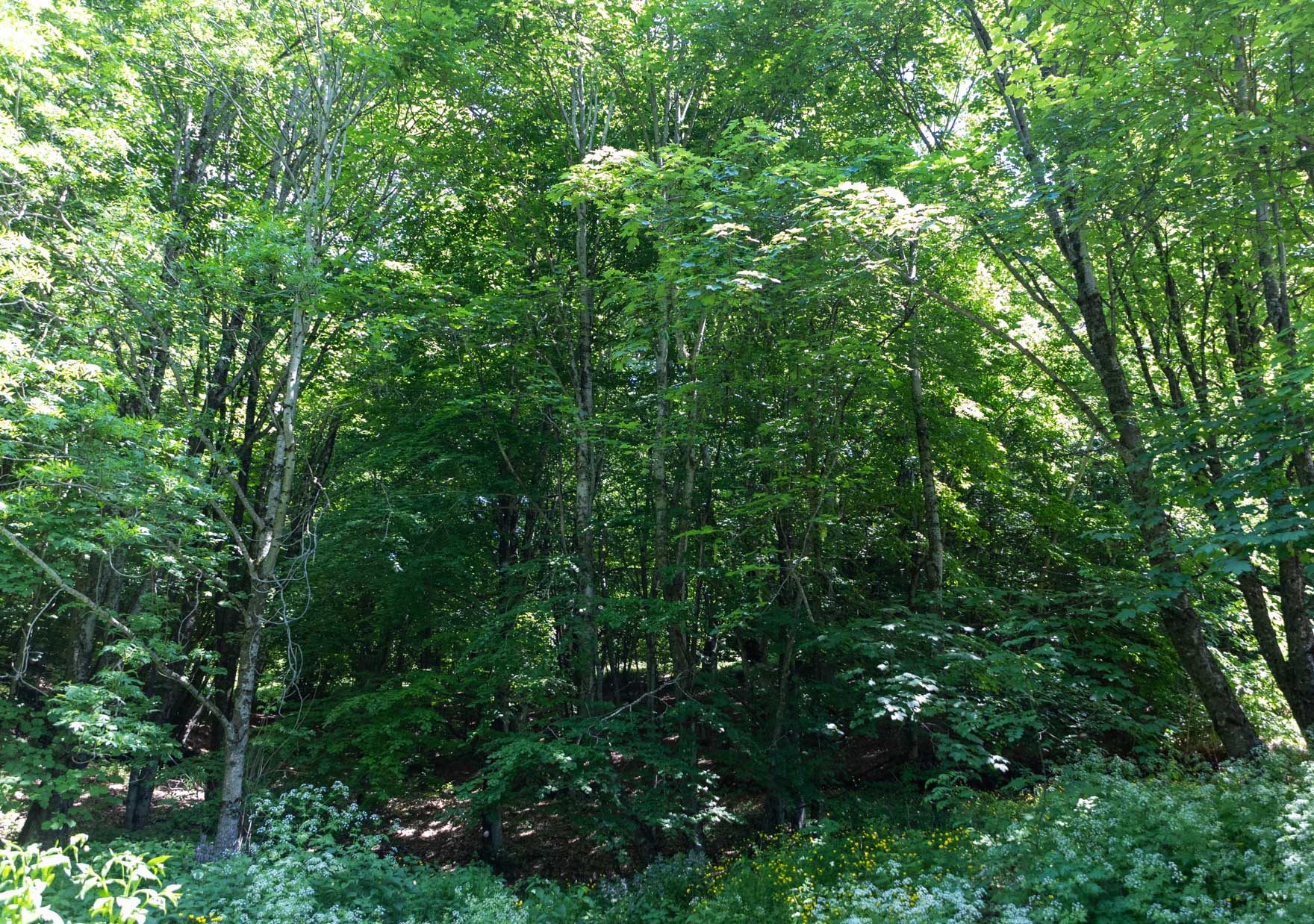
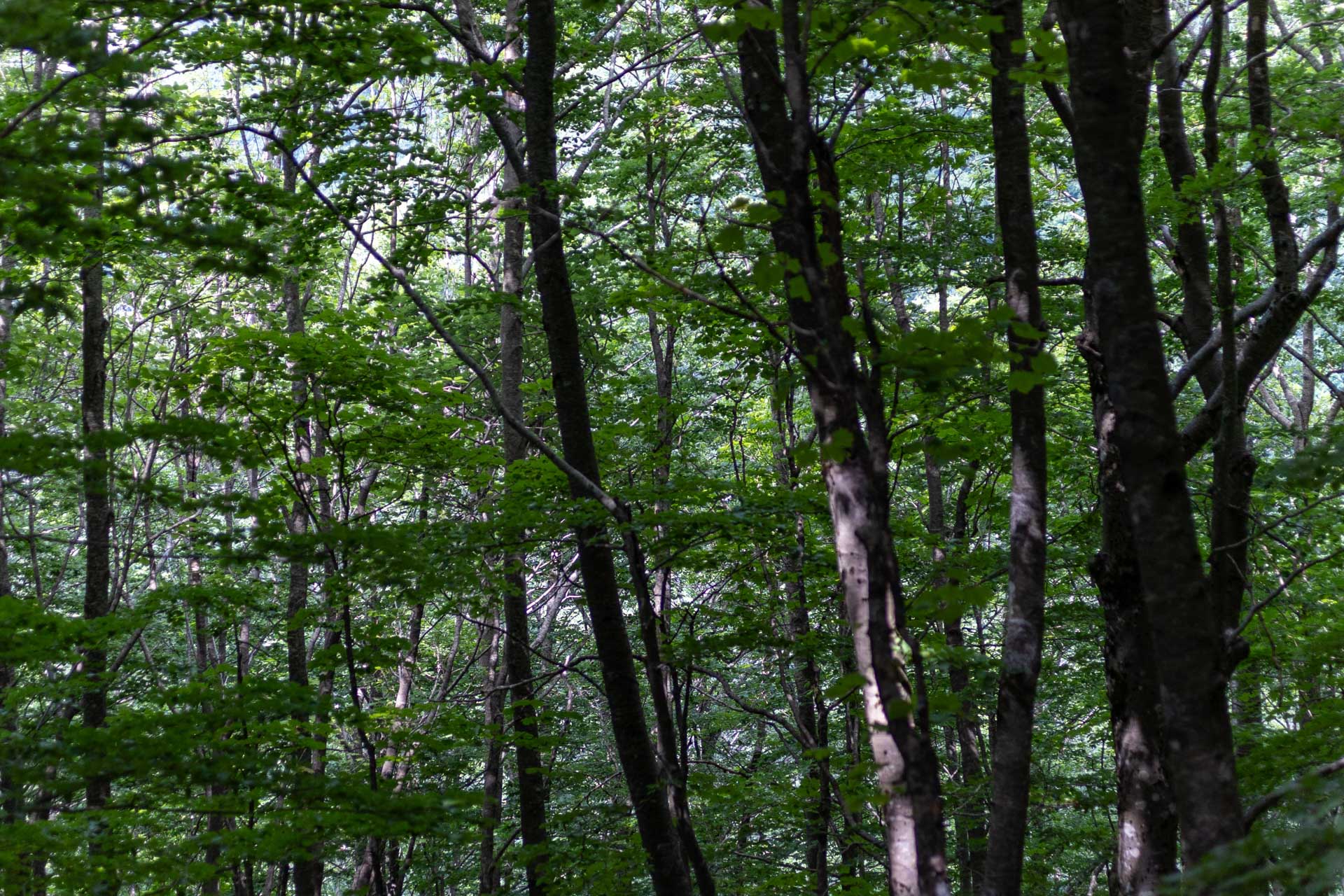
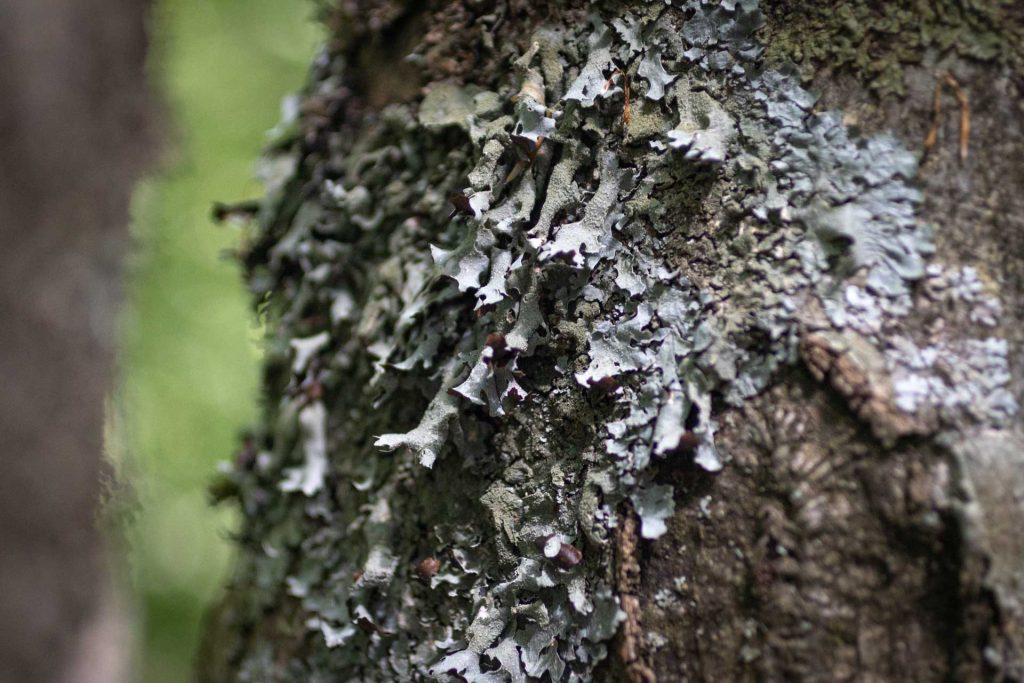
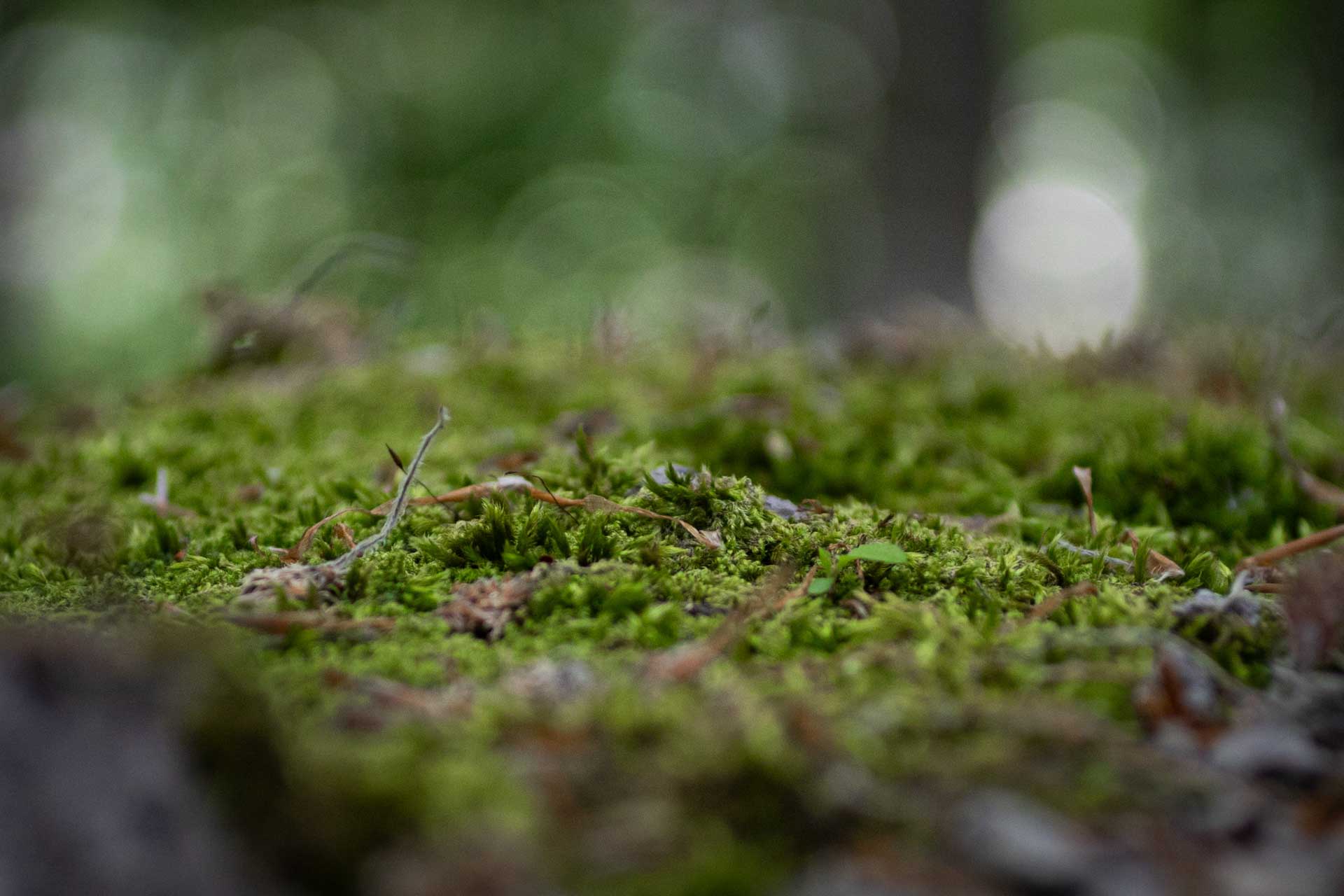
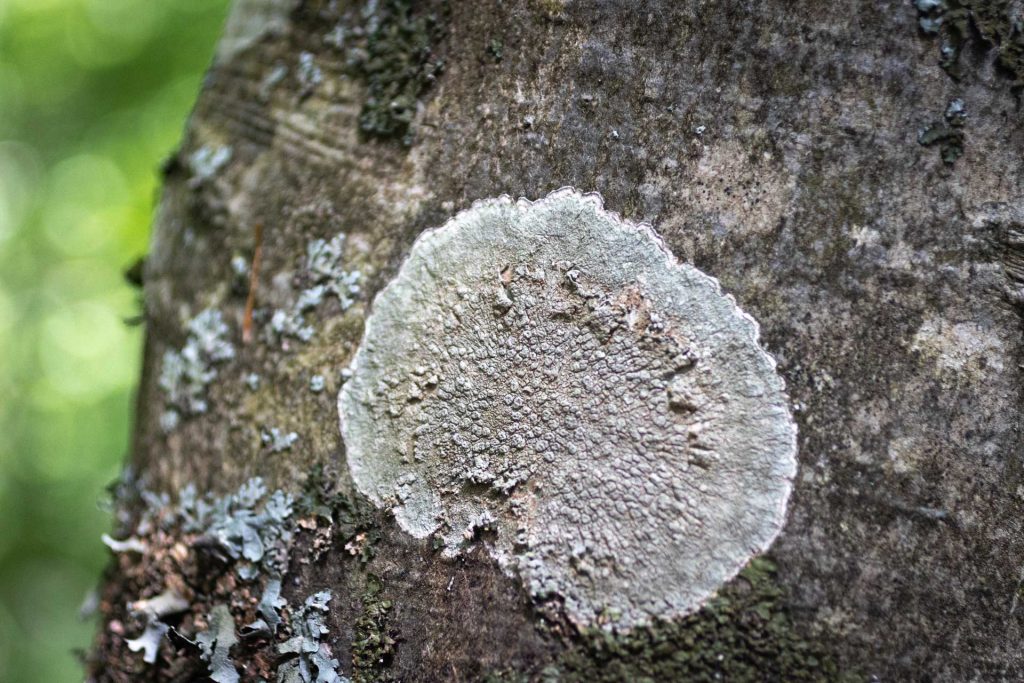
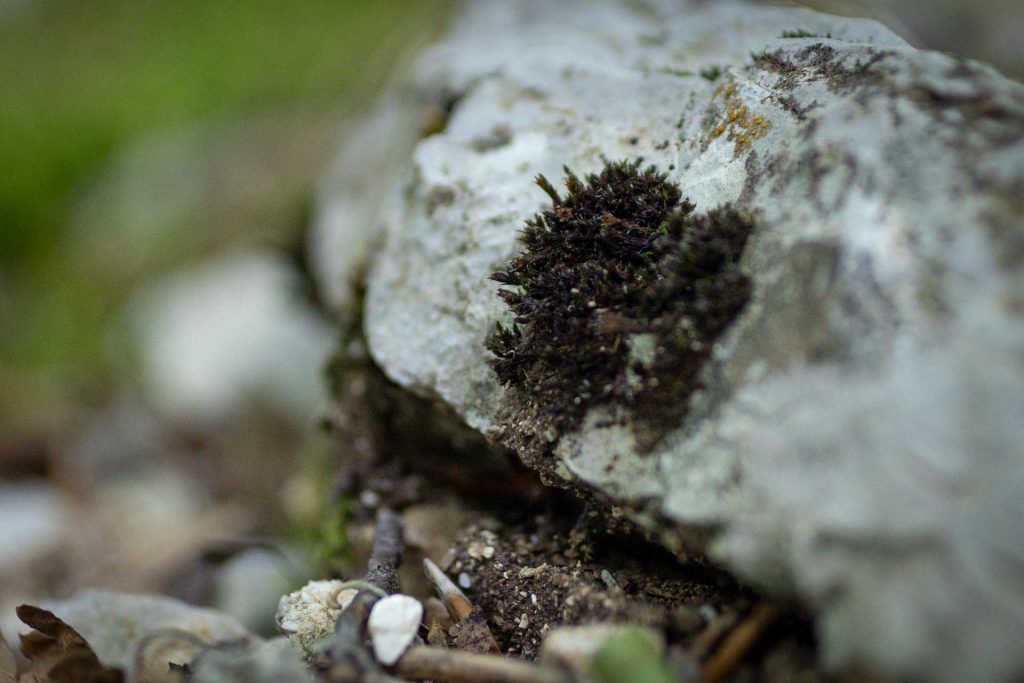
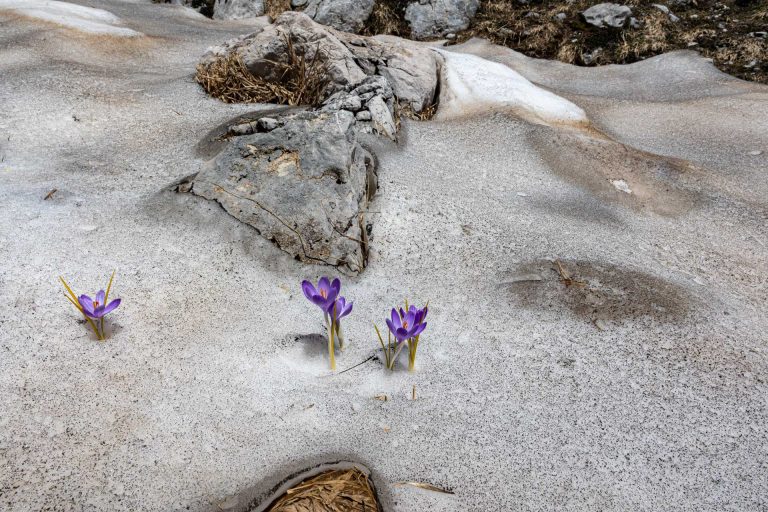
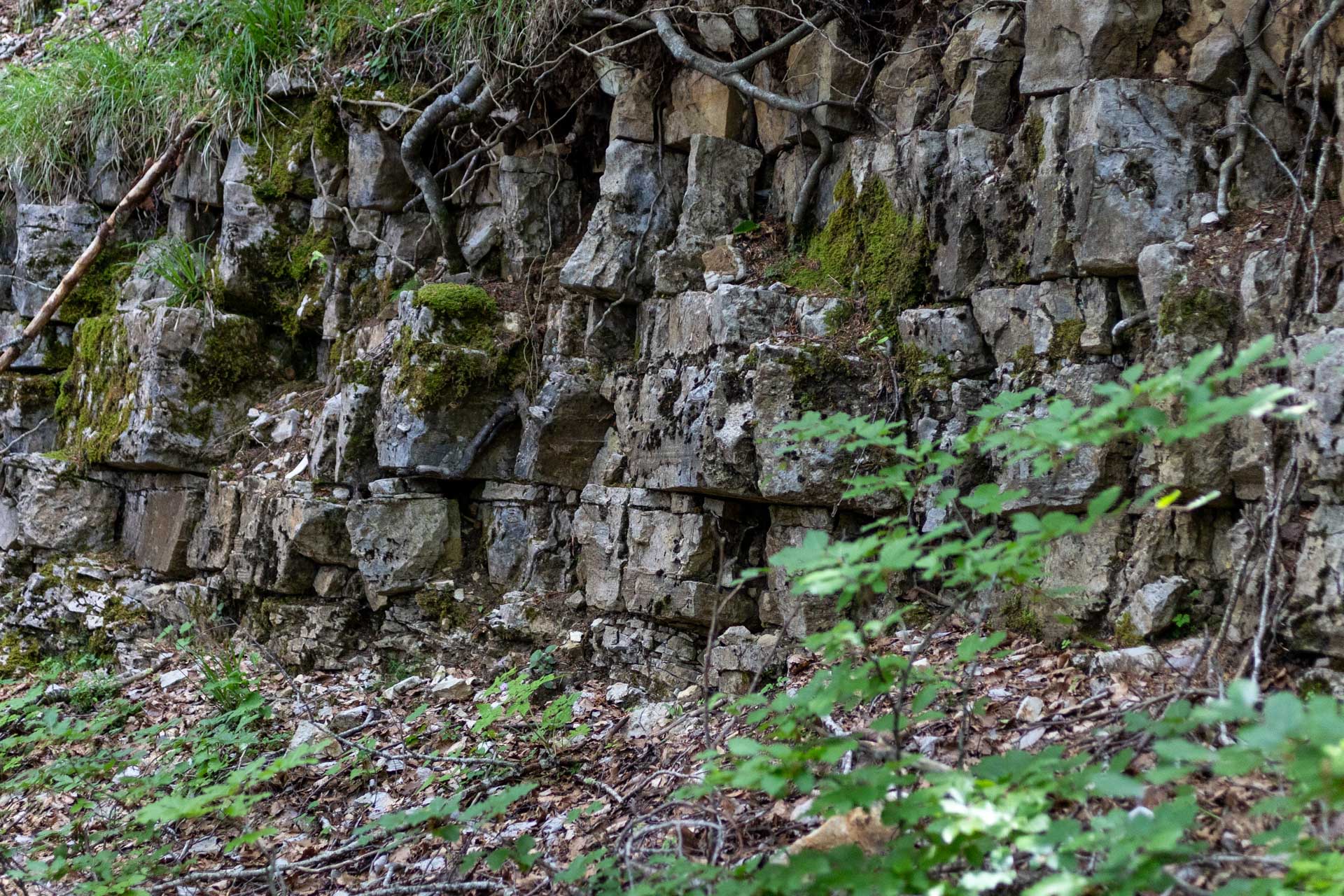
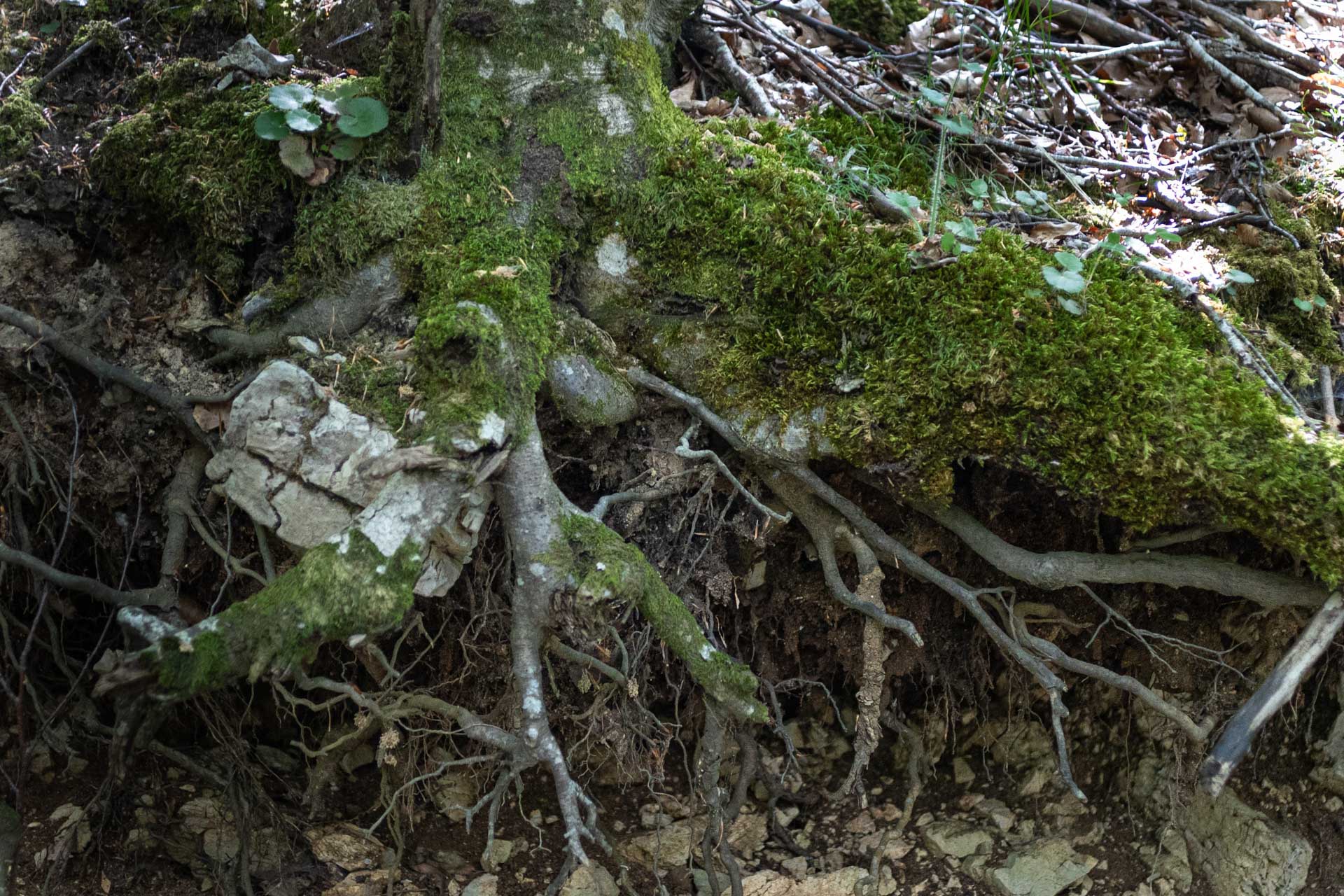
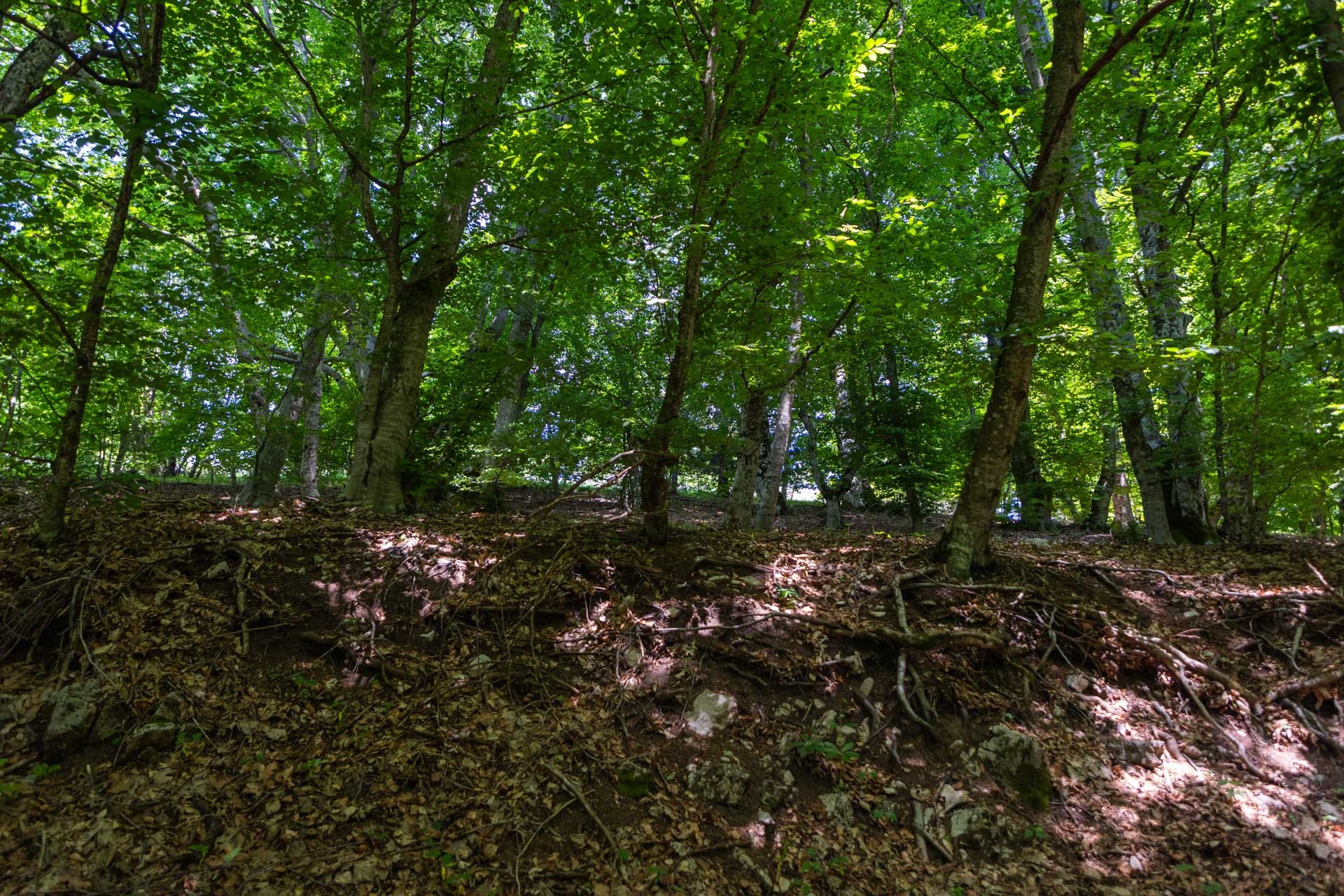
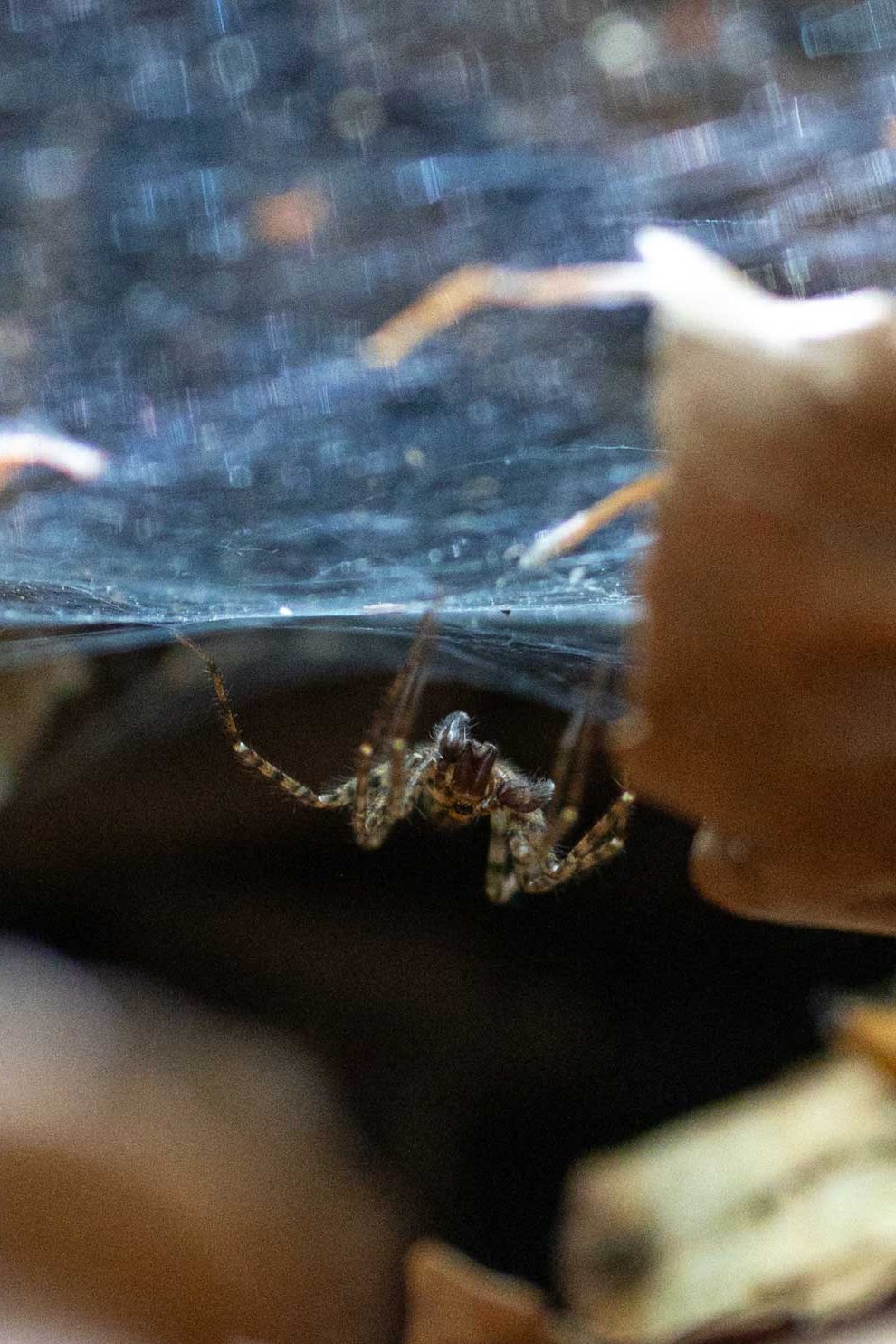
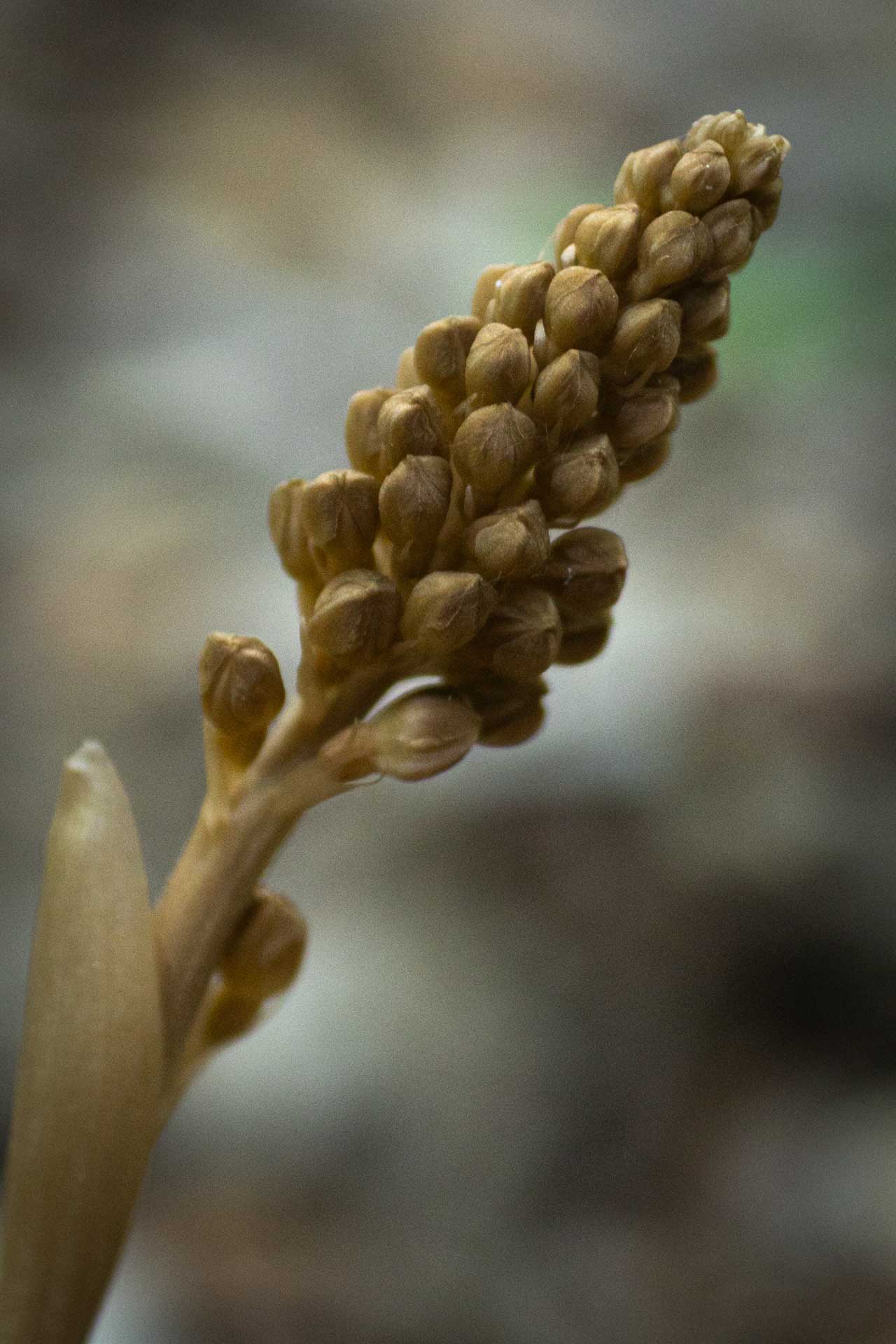
With Sapienza University of Rome and the Department of Natural Science, we went on excursion to study the area and collect datas to observe what happens in this ecosystem during the spring season. The weather was quite warm, with a bright sun shining up above us, and we were looking forward to enter the forest to find a bit of releaf under the canopy.
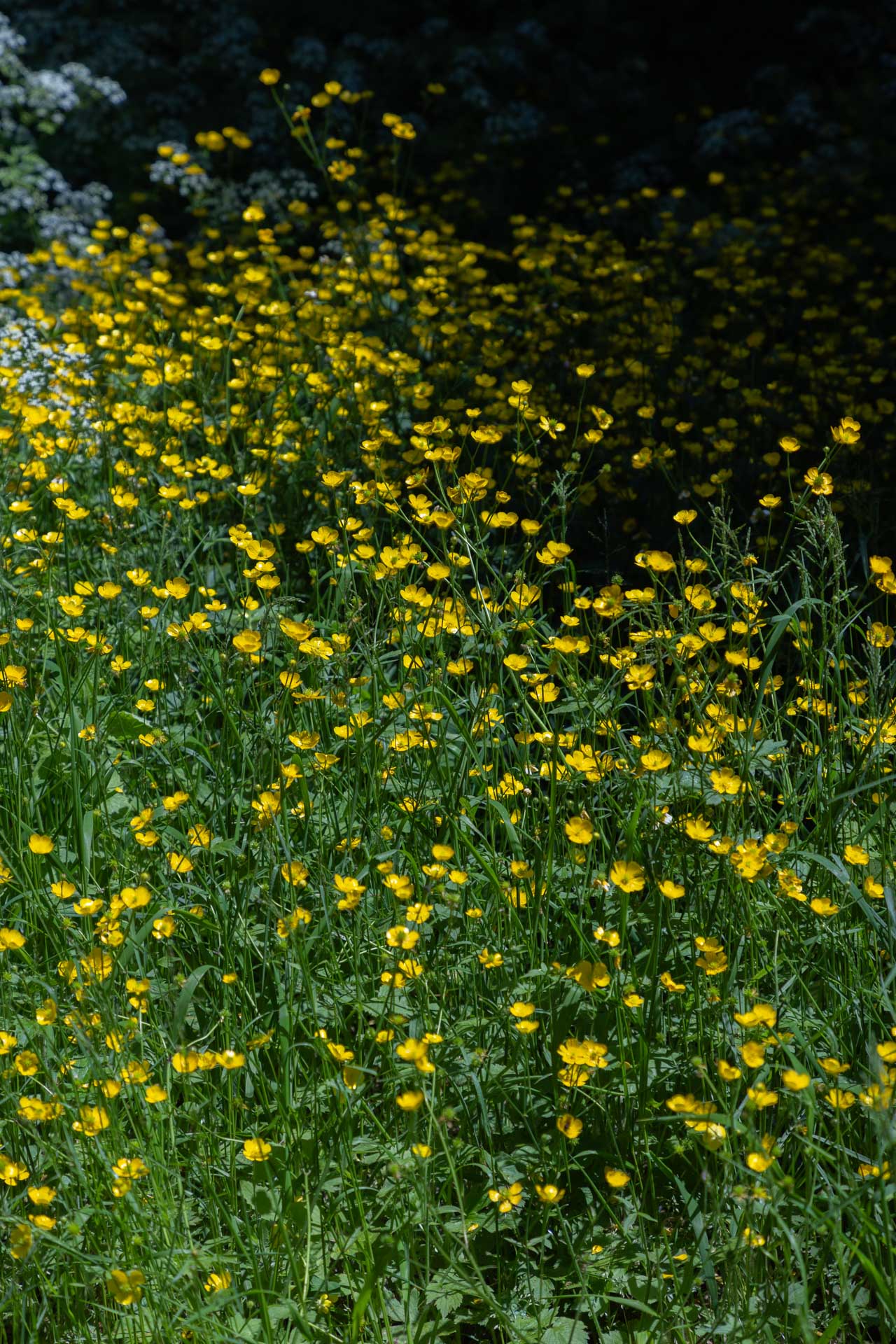
We found a reach biodiversity of plant species, and so many flowers welcomed us when we arrived.
Theew were numerous floral species, and one the most widespread were Ranunculus lanuginosus, a perennial herbaceous plant of the Ranunculaceae family, recognizable by its hairy stems, leaves divided into three lobes, and yellow flowers.
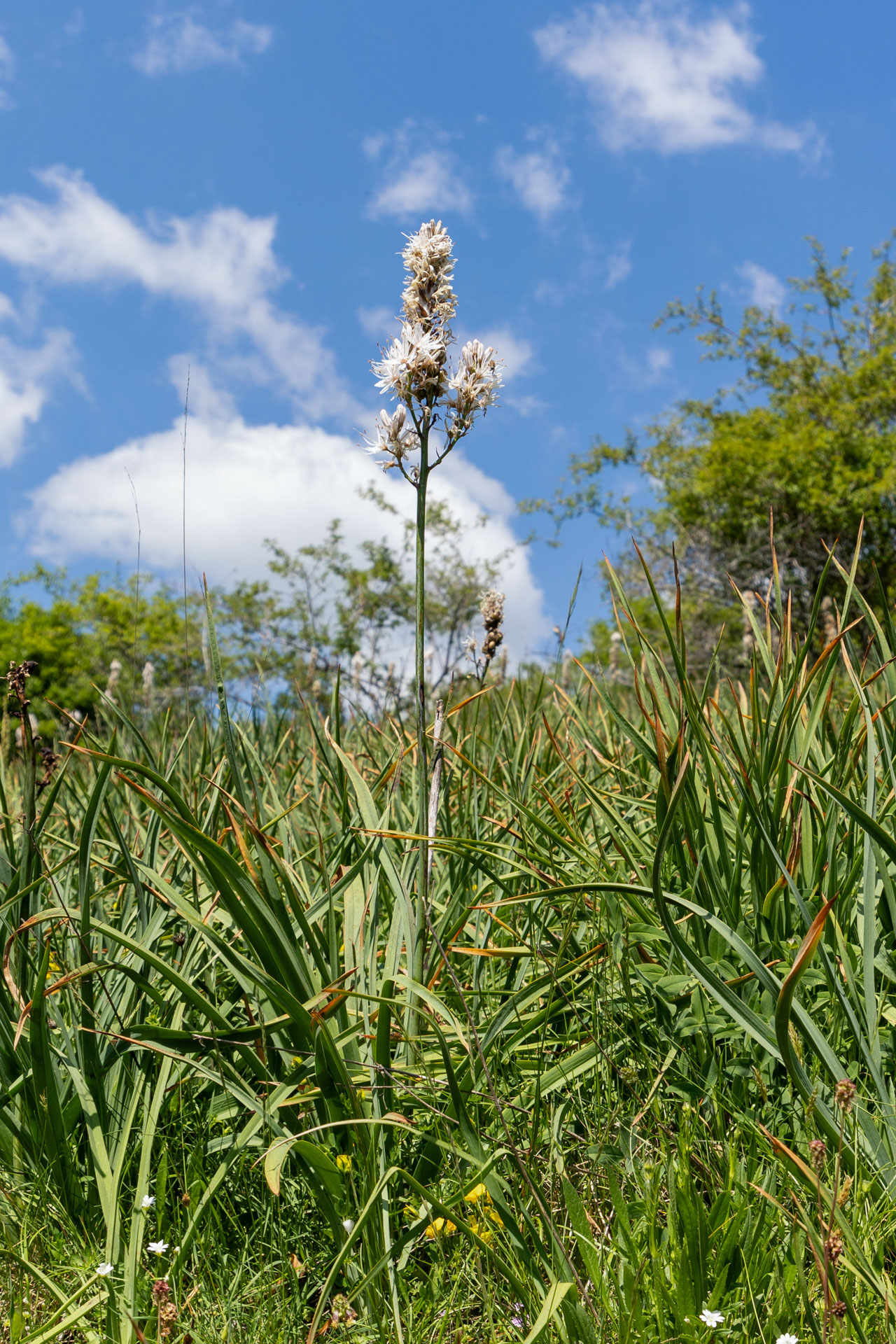
The other most widespread plant specie was Asphodelus albus, commonly known as the white asphodel, is a native herbaceous perennial plant of the Mediterranean and southern Europe areas.
Asphodel is a “pyrophytic” and “invasive” plant found in degraded pastures. Its dominance indicates soil that has been depleted and had its structure compromised by anthropic activity.
This plant possesses robust underground tuberous roots, and when a fire destroys the surface vegetation, the tuber survives and rapidly regenerates the plant before other species.
Its leaves contain bitter substances, and the tubers are toxic. Cattle and sheep consistently avoid it, grazing only on other plant species and thereby fostering the uncontrolled spread of the asphodel.
These open spaces, known as “secondary pastures,” are not natural. They originated in past centuries through intentional deforestation and fires aimed at reclaiming land from the beech forest.